🙏 What is Char Dham Yatra?
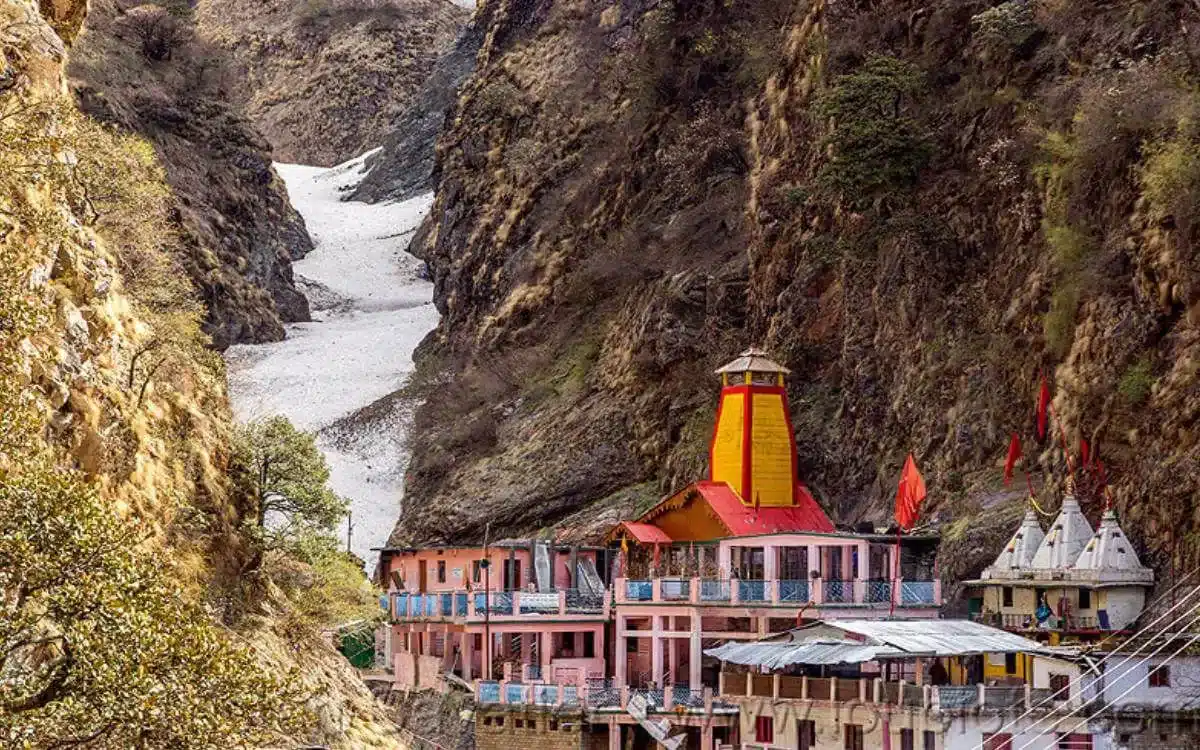
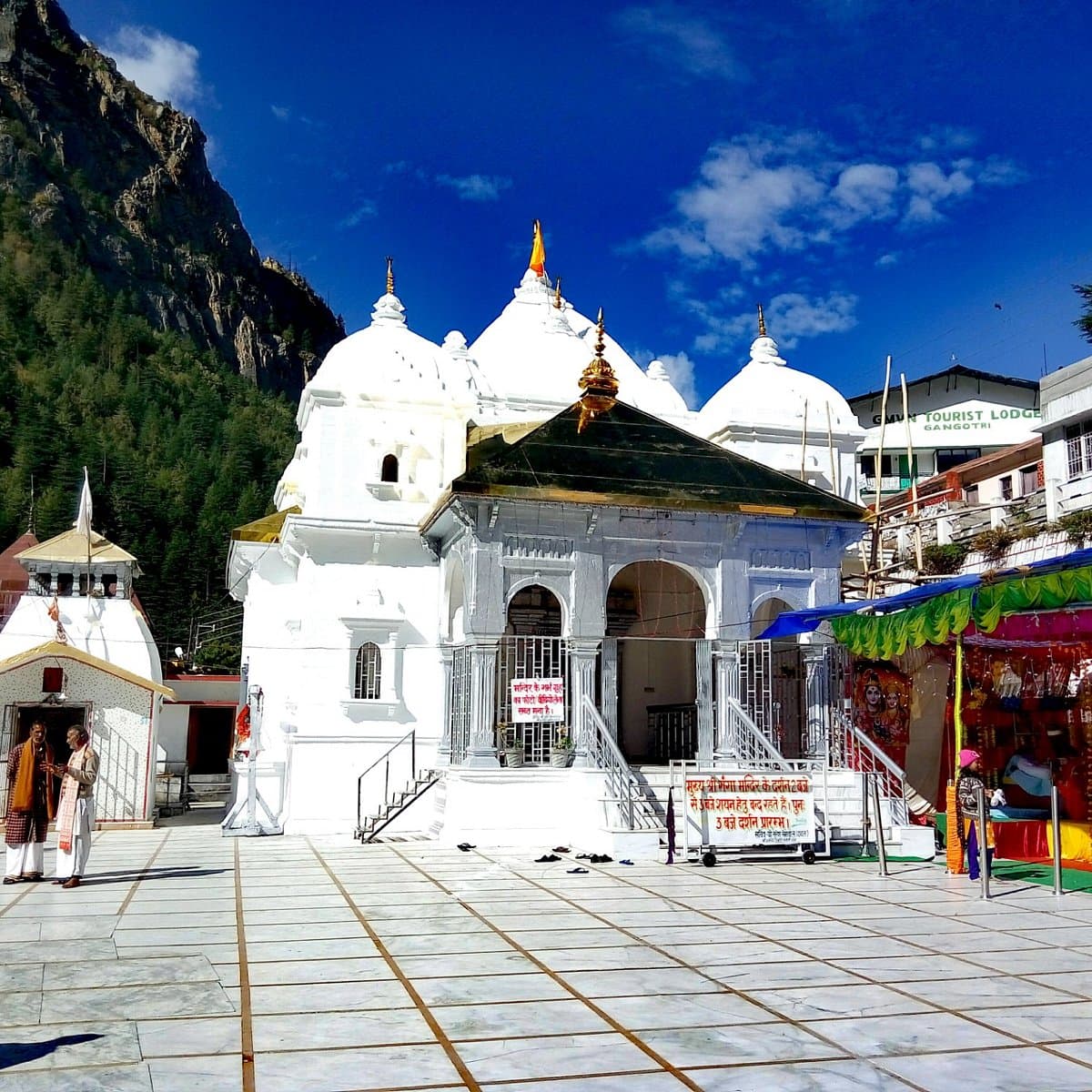
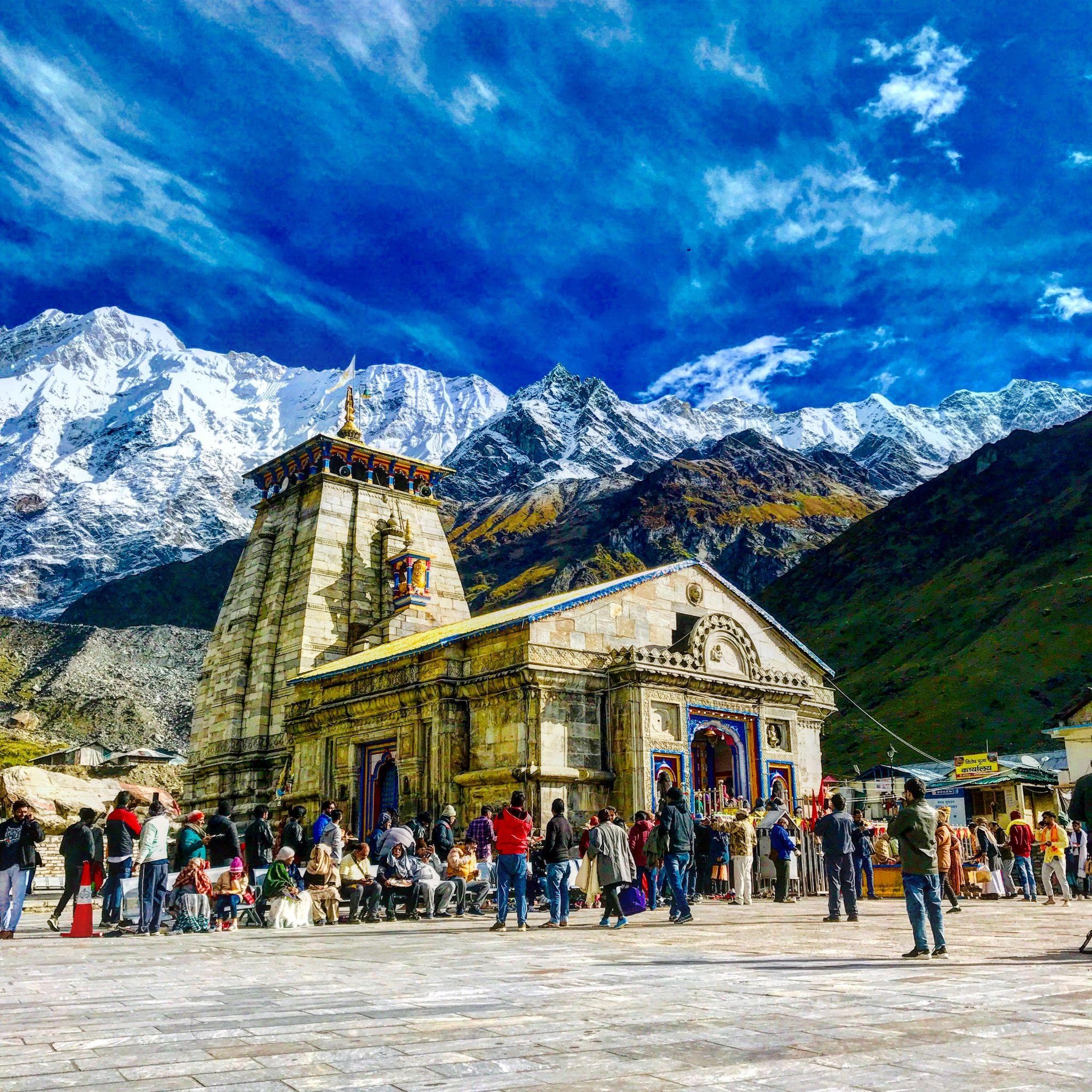
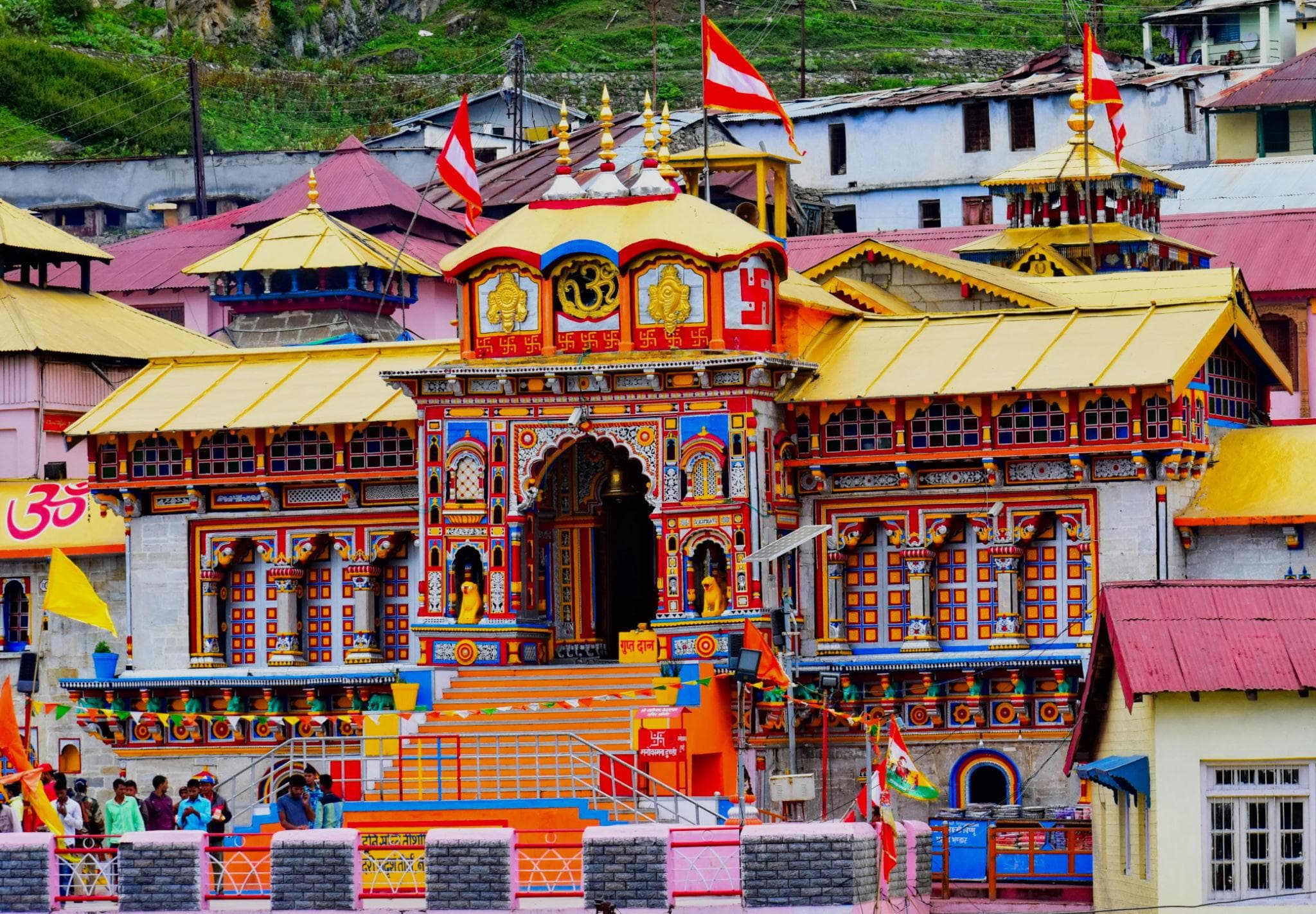
Char Dham Yatra is one of the most sacred pilgrimages in Hinduism, encompassing four revered shrines nestled deep in the Garhwal Himalayas of Uttarakhand — Yamunotri, Gangotri, Kedarnath, and Badrinath. Spiritually, each Dham represents a cardinal direction and embodies a unique expression of divine power — Yamuna's life-giving waters, Ganga's purifying grace, Shiva's timeless presence, and Vishnu's cosmic protection.
Every year, hundreds of thousands of pilgrims from across India and the world undertake this journey — trekking through dense forests, crossing high-altitude passes, and bathing in glacial rivers — believing that completing the Yatra washes away all sins and bestows moksha (liberation from the cycle of rebirth). For 2026, all four Dhams are scheduled to open between 19 April and 23 April, ushering in a new season of faith, devotion, and breathtaking Himalayan beauty.
Whether you are a first-time pilgrim or a seasoned Yatri, preparation is key. Altitude, unpredictable weather, daily pilgrim quotas, and mandatory registrations all demand careful planning. This guide covers every essential detail so you can focus on the spiritual experience itself.
📅 2026 Temple Opening Dates
The Char Dham temples follow the Hindu lunar calendar (Panchang) for their opening and closing dates each year. Doors open in late April, remain accessible through October, and close again before the onset of winter snowfall. For 2026, the confirmed schedule is:
Yamunotri
19 April 2026
Akshaya Tritiya
Gangotri
19 April 2026
Akshaya Tritiya
Kedarnath
22 April 2026
Shiv Puja Muhurat
Badrinath
23 April 2026
As per Panchang
⚠️ Doors close again in October–November. Plan to complete your Yatra before the winter shutdown, typically announced 1–2 months in advance.
📝 Registration — Mandatory for All Pilgrims
Since 2014, the Uttarakhand government has made biometric registration compulsory for every pilgrim visiting any of the four Dhams. This was introduced to manage overcrowding, improve emergency response, and ensure pilgrim safety after the devastating 2013 Kedarnath floods. Daily pilgrim quotas are strictly enforced: pilgrims without valid registration are turned back at check-posts.
- ✓Register online at registrationandtouristcare.uk.gov.in or at any Tourist Care Centre in Rishikesh, Haridwar, or Dehradun.
- ✓Aadhaar card (or any government photo ID) is mandatory for registration.
- ✓Pilgrims aged 60 and above must submit a medical fitness certificate from a registered doctor.
- ✓Slot booking opens 30 days in advance — book early as peak-season slots fill within hours.
- ✓Carry a printed copy and digital copy of your registration slip at all times during the Yatra.
🗺️ Classic Route & 10–12 Day Itinerary
The traditional Char Dham circuit is travelled in a specific west-to-east order that follows the flow of the sacred rivers: Yamunotri → Gangotri → Kedarnath → Badrinath. Most pilgrims begin their journey at Haridwar or Rishikesh (the gateway cities), which are well-connected by rail and road to all major Indian cities.
Allow buffer days for acclimatisation, weather delays, or longer darshan queues. Rushing the Yatra risks altitude sickness and missed spiritual experiences. A comfortable pace is 12–14 days for the full circuit.
🌤️ Best Time to Visit
May – June
Clear skies, pleasant temperatures (10–20°C at lower altitudes). Roads and infrastructure at full capacity. Pre-book everything well in advance.
July – August
Heavy rainfall causes landslides and road closures. Not recommended unless flexible with the itinerary. Temple access may be restricted on some days.
Sept – Oct
Lush green landscapes emerge after the rains. Fewer crowds than peak season, crisp air, and crystal-clear mountain views. Excellent for photography.
💰 Budget Planning
Costs vary enormously depending on travel style, group size, and whether you trek or take a helicopter. Here is a realistic breakdown per person for the full 10–12 day Yatra:
Budget
₹20,000 – ₹30,000
- •Shared taxis / state buses
- •Dharamshala / basic guesthouses
- •Dal-roti meals at dhabas
- •All 4 Dhams on foot
Mid-Range
₹35,000 – ₹60,000
- •Private cab for group
- •Decent hotels & lodges
- •Mix of restaurant & dhaba meals
- •Pony / palanquin for steep treks
Premium
₹1,00,000+
- •Helicopter packages (Kedarnath)
- •Luxury camps & heritage hotels
- •All meals included
- •Private guide & porter
Tip: Book accommodation and transport at least 2–3 months in advance for peak-season travel. Prices can triple during May–June. Helicopter seats to Kedarnath sell out within days of the season opening.
💡 Essential Travel Tips
Acclimatise properly
Spend at least one night in Haridwar or Rishikesh before heading to the mountains. Ascend gradually to avoid Acute Mountain Sickness (AMS).
Pack for all conditions
Carry warm layers (fleece, thermals), waterproof jacket, trekking shoes, and a rain poncho — even in May, temperatures drop sharply at night.
Carry cash
ATMs are scarce beyond Rishikesh. Most dhabas, porters, and small guesthouses only accept cash. Carry sufficient ₹100/₹200/₹500 notes.
Stay hydrated
High altitude causes faster dehydration. Drink at least 3–4 litres of water daily and avoid alcohol throughout the trek.
Download offline maps
Mobile data is unreliable in the mountains. Download Google Maps or Maps.me offline for the Uttarakhand region before you depart.
Respect local customs
Dress modestly near temples; remove footwear before entering shrines. Photography may be restricted inside some temples — always check first.
Travel insurance
Purchase a policy that covers high-altitude trekking and emergency helicopter evacuation. Medical facilities are limited beyond Haridwar.
Stay informed on weather
Check the IMD forecast daily — sudden cloudbursts and landslides can close roads for 12–48 hours. Have contingency days in your plan.